
Whoa, that surprised me. I got my first NFC wallet last year and dove in headfirst. At first the tangem app felt annoyingly simple but that simplicity was useful. My instinct said hardware wallets had to be bulky devices plugged into computers, though. Initially I thought physical cards would be gimmicks, but after testing the tangem card and using NFC signings on my phone I realized the trade-offs were real and often worth it.
Seriously? Yes, very much. The tangem app pairs with a card by tapping, and it just works without drivers. That ease reduces setup friction for people who are not crypto nerds. I told a friend in Brooklyn to try it and she did. On one hand the NFC card removes cable and driver hell for many platforms, though on the other hand you must protect a physical object that can be lost or stolen, and that complicates backup strategies.
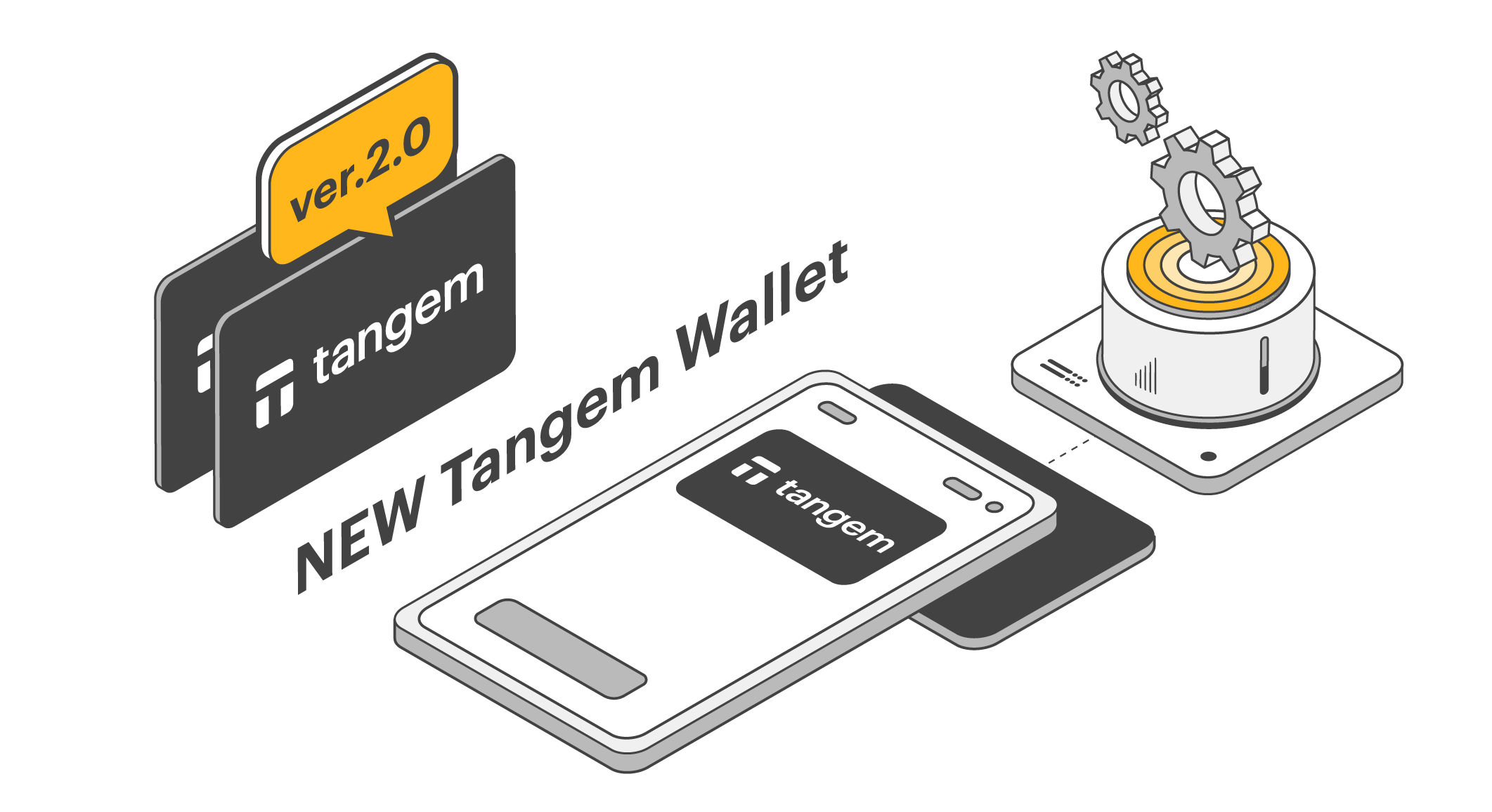
Here’s the thing. Security-wise the card stores private keys in a secure element that can’t be extracted. You approve transactions by tapping and confirming on the device, not exposing keys. My instinct said this was secure, but I ran audits and reviewed technical docs anyway. Actually, wait—let me rephrase that: security depends on the supply chain and card issuance, because if a card is cloned at manufacture then NFC signing won’t save you from a compromised seed and that nuance matters a lot.
Hmm… somethin’ bugs me. Supply chain concerns make me prefer cards from reputable vendors. Also, backups matter; have more than one recovery method available to you. I’ve used duplicate cards and split secrets techniques in testing, and each approach had trade-offs. On balance, though actually if you’re careful about provenance, maintain a secure recovery phrase offline, and keep the physical card under lock or close at hand, the NFC card model simplifies daily use without dramatically weakening security.
Wow — really worth it. I’m biased, but I’m very very fond of the convenience on modern phones. That said, older phones or flaky NFC stacks can add friction and sometimes require retries. I once had an Android phone drop taps until a system update fixed it. If you travel with the card, consider a slim protective sleeve or keep it with other essentials, because damage or magnetic wear is rare but unpleasant and planning ahead avoids a panic when you least expect it.
Practical notes on setup and compatibility
Integration is solid; many apps recognize tangem card and offer tap-to-sign for ERC-20 tokens. I recommend checking supported coins before buying, since not every asset is supported equally. Also check firmware versions and the tangem app updates, because compatibility improves over time. Finally, if you’re curious enough to try one out, buy from a trusted seller, test small transactions first, and consider reading independent reviews or community threads to see how people handle backups and recovery in real-world situations where mistakes and accidents happen.
FAQ
How secure is an NFC card compared to a traditional hardware wallet?
They rely on the same basic principle: a secure element that never exposes private keys, and local confirmation for signing. On one hand the convenience of NFC could expose you to physical-loss risk, and on the other hand it removes many software-attack vectors tied to USB drivers and host software.
What should I do if I lose my tangem card?
Recover from your offline seed or use any alternate recovery method you set up; if you didn’t create backups, pause and treat funds as potentially inaccessible and possibly vulnerable. I’m not 100% sure about every recovery nuance for every ledger type, but the safe play is to test your recovery workflow before moving large sums—practice first, panic never.